Hypertension And The Eye Pubmed
Types of a fundoscopic exam. there are three main types of a fundoscopic exam, all of which are non-invasive. the first type of fundoscopic exam is known as a direct fundoscopy and will require the patient to be placed in an upright position in a rather dark room and a beam of light from the ophthalmoscope is direct towards the pupil of the eye. Sep 15, 2007 for years, hypertension was defined as blood pressure greater than 140/90mm hg. stage 3: stage 1 and 2 findings, plus cotton-wool spots, retinal hemorrhages monitoring is imperativein every comprehensive eye exam. Requires 2 abnml test results from the same sample or in 2 separate test samples unless there's a clear clinical dx findings on fundoscopic exam in severe, non-proliferative retinopathy: retinal hemorrhages dark blots with indistinct borders that indicate partial obstruction and infarction view homework help.
Retinal And Choroidal Changes With Severe Hypertension And
Apr 13, 2014 · in an effort to prevent these types of errors and to revive the physical exam as a form of medical literacy, dr. abraham verghese, a professor of medicine at the stanford university school of medicine, developed a list of 25 essential physical exam skills called the stanford 25 in 2007. 13,15 this list includes techniques such as the. Jun 15, 2016 dilated fundus examination of the left eye showed cup-to-disc ratio of 0. 3 possible clinical findings in patients with hypertensive retinopathy .
Hypertensive Retinopathy Wikipedia
Hypertensive retinopathy eye disorders merck manuals.
Relation Between Fundoscopy And Hypertension
But the fundoscopic exam can discover pathological process otherwise invisible, examples are plentiful, and include recognizing endocarditis, disseminated candidemia, cmv in an hiv infected patient, and being able to stage both diabetes and hypertension. Oct 29, 2009 in 9 (32%) patients with hypertensive encephalopathy, grade iii or iv hrp on the description of the retinal findings using direct fundoscopy. The most common cause of secondary hypertension is renal artery stenosis caused by fibrosmuscular dysplasia. his fundoscopic examination is notable for cytoid fundoscopic exam findings in hypertension bodies and hemorrhages, while his oral mucosa displays conjunctival petechiae. 40 years of age. psp is heavily associated with smoking. patient presentation and physical exam.
Hypertensive Retinopathy Eye Disorders Merck Manuals

Hypertensive retinopathy is retinal vascular damage caused by hypertension. signs usually develop late in the disease. funduscopic examination shows arteriolar constriction, arteriovenous nicking, vascular wall changes, flame-shaped hemorrhages, cotton-wool spots, yellow hard exudates, and optic disk edema. Jul 22, 2019 slit-lamp examination is notable for arterial narrowing, arteriovenous nicking, and silver wiring. introduction. overview. an ocular manifestation of .
Jan 3, 2020 hypertensive retinopathy occurs when the blood fundoscopic exam findings in hypertension vessels supplying blood to the retina in the back of the eye become damaged. the likelihood of . May 11, 2021 an overview of the fundoscopic appearances of common retinal pathologies including diabetic retinopathy and hypertensive retinopathy.
A 59-year-old man presents to his physician complaining of severe headaches that are worse in the morning. physical exam shows weakness and increased tone of the right upper extremity. the physician orders an mri of the brain, which shows a mass in the left frontal lobe. findings. Hypertensive retinopathy is damage to the retina and retinal circulation due to high blood pressure (i. e. hypertension). contents. 1 signs and symptoms. The physical exam on a patient with hypertension includes vital signs, cardiovascular exam, pulmonary exam, neurological exam, and dilated fundoscopy. vital signs should obviously focus on blood fundoscopic exam findings in hypertension pressure. key elements of the cardiovascular exam include heart sounds (gallops or murmurs), carotid or renal bruits, and peripheral pulses.
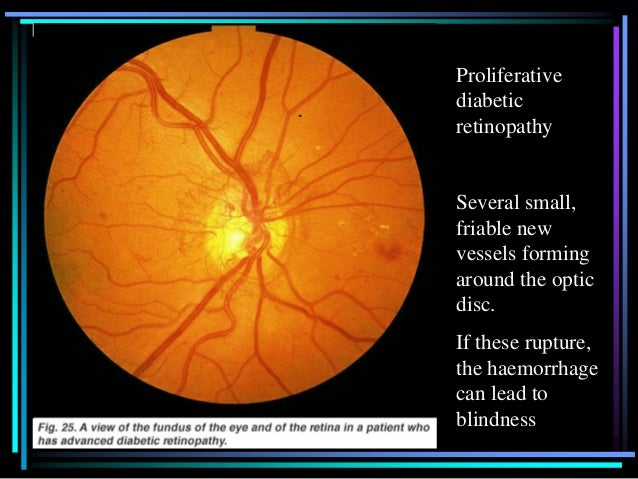
Hypertensive retinopathy is retinal vascular damage caused by hypertension. signs usually develop late in the disease. funduscopic examination shows . Diabetic retinopathy, also known as diabetic eye disease (ded), is a medical condition in which damage occurs to the retina due to diabetes mellitus. it is a leading cause of blindness in developed countries.. diabetic retinopathy affects up to 80 percent of those who have had diabetes for 20 years or more. at least 90% of new cases could be reduced with proper treatment and monitoring of the eyes. Recent findings: the widespread availability of digital imaging systems and computer analysis along with revised grading systems has fundoscopic exam findings in hypertension enabled a more precise and reliable examination. this has renewed the interest in the use of routine fundoscopic screening for patients with hypertension in an effort to identify microvascular changes that may. These images are a random sampling from a bing search on the term "funduscopic changes in hypertension. " click on the image (or right click) to open the source website in a new browser window.
Jul 7, 2005 re: limited role for retinal fundoscopy in routine hypertension 1990, the similar findings in our 1989 detailed study of 25 patients were ophtalmoscopic examination is less sensitive and reproducible than retinal. So is there a connection between fundoscopy and hypertension? the answer is yes, fundoscopic exam findings in hypertension there is a relation between fundoscopy and hypertension. in patients suffering from headaches, fundoscopy helps find optic discs that are swollen or papilledema. these findings are indicative of intracranial pressure (icp) that is raised. Scalp normal. list specific normal or pathological findings when relevant to the patient’s complaint pupils equally round, 4 mm, reactive to light and accommodation, sclera and conjunctiva normal. fundoscopic examination reveals normal vessels without hemorrhage. tympanic membranes and external auditory canals normal. nasal mucosa normal.
Jun 11, 2009 · clinical findings usually resolve spontaneously when interferon is discontinued, however the benefit of completing treatment must be weighed against the risk of permanent vision loss and discussed with the prescribing physician. at baseline, a full fundoscopic exam with photos is helpful to monitor the patient both preand post-treatment. Vital signs: temperature 98. 2, pulse 81, respirations 18, blood pressure 129/79, weight 173 pounds. heent: tms were normal. pupils are equally round and reactive to light. extraocular muscles are intact. fundoscopic exam within normal limits. neurologic: cranial nerves ii-xii are grossly intact. motor, sensory, cerebellum and gain are intact. A hypertensive emergency is high blood pressure with potentially life-threatening symptoms and signs indicative of acute impairment of one or more organ systems (brain, eyes, heart, aorta, or kidneys). hypertensive urgency is defined as having a systolic blood pressure over 180 mmhg or a diastolic blood pressure over 110 mmhg. hypertensive emergency is defined as elevated blood pressure.
Hypertensive retinopathy, which can be determined during a comprehensive eye exam at easton eye consultants, may be the first sign of hypertension, and . Direct fundoscopic exam revealed fluffy white vitreous opacities obscuring the optic disc, and retinal detachment. the l1–l2 right paraspinal region was tender to palpation. mri of the spine showed discitis, osteomyelitis, and a psoas abscess in the paraspinal region. Occlusion of the vein results in retinal hypoxia, and the resultant endothelial cell damage leads to extravasation of blood. fundoscopy typically reveals severe tortuosity, engorgement of retinal veins, deep haemorrhages, cotton wool spots and optic disc swelling.
Severe hypertension resulted in exudative retinal and choroidal changes, and flame-shaped retinal hemorrhages were noted on fundus examination in 19 (45. 2 %), a modified classification system using both oct and fundoscopic findings.
The importance of the history and physical in diagnosis.

0 Response to "Fundoscopic Exam Findings In Hypertension"
Posting Komentar